



Modern exhibitions and brand events demand more than static banners and traditional displays. Visitors expect to step into an environment that reacts to their presence, tells a cohesive story, and engages multiple senses at once. Building such an environment requires a careful balance of creative vision and rock-solid engineering, especially when dealing with complex physical architecture and unpredictable public spaces.
Bringing a truly immersive installation to life starts long before any equipment arrives on site. Every venue presents its own acoustic quirks, lighting challenges, and spatial constraints that off-the-shelf solutions simply cannot accommodate. A custom approach ensures that projectors align perfectly with irregular walls, touch screens respond instantly to eager hands, and sound fills the room without muddying into acoustic chaos.
The Anatomy of an Immersive Experience
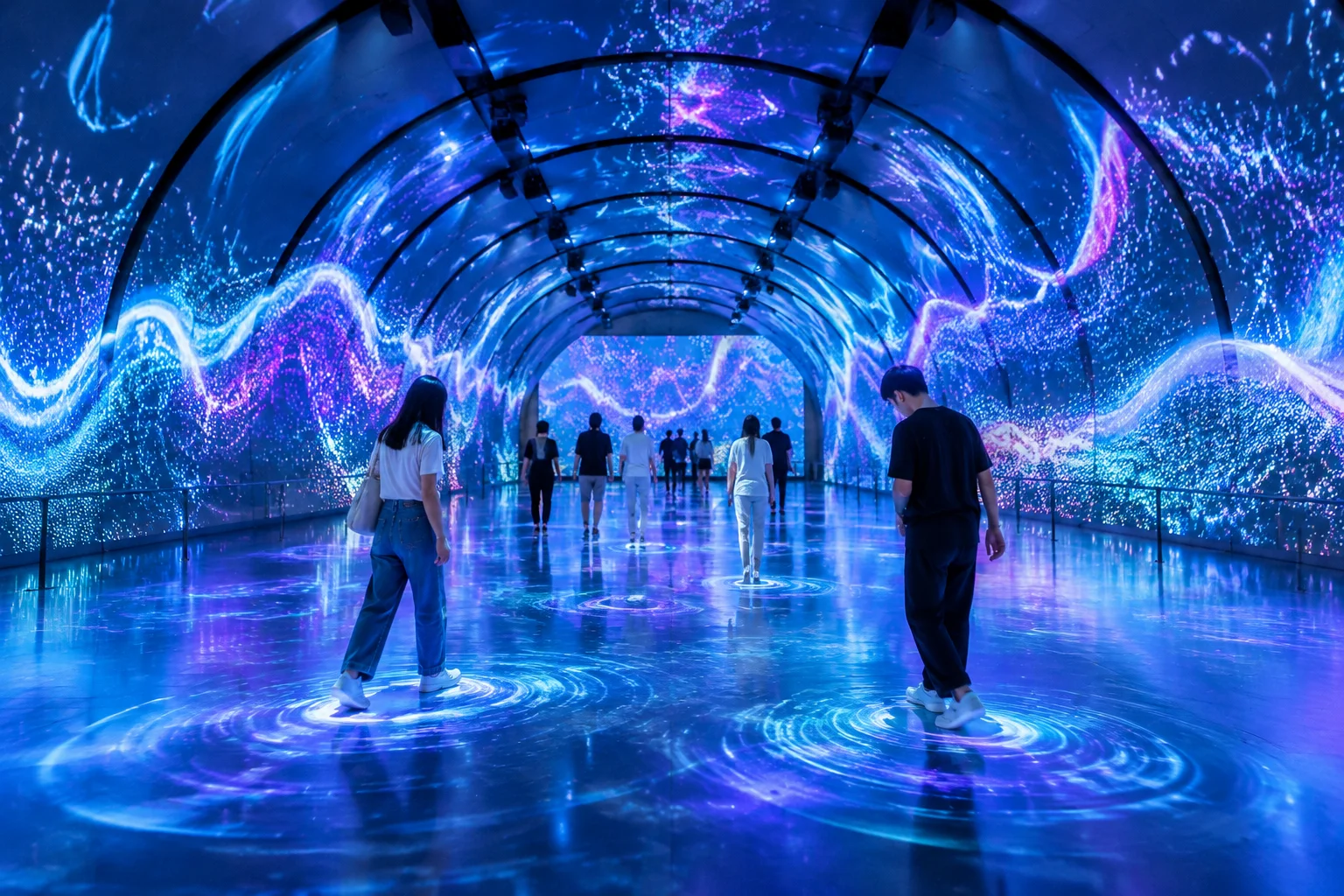
Visitors judge an installation within seconds of stepping inside it. If the projection lags or the sound is out of sync, the illusion shatters immediately. Achieving seamless immersion relies on synchronizing visual, audio, and interactive elements so tightly that the technology itself completely disappears from the visitor's awareness.
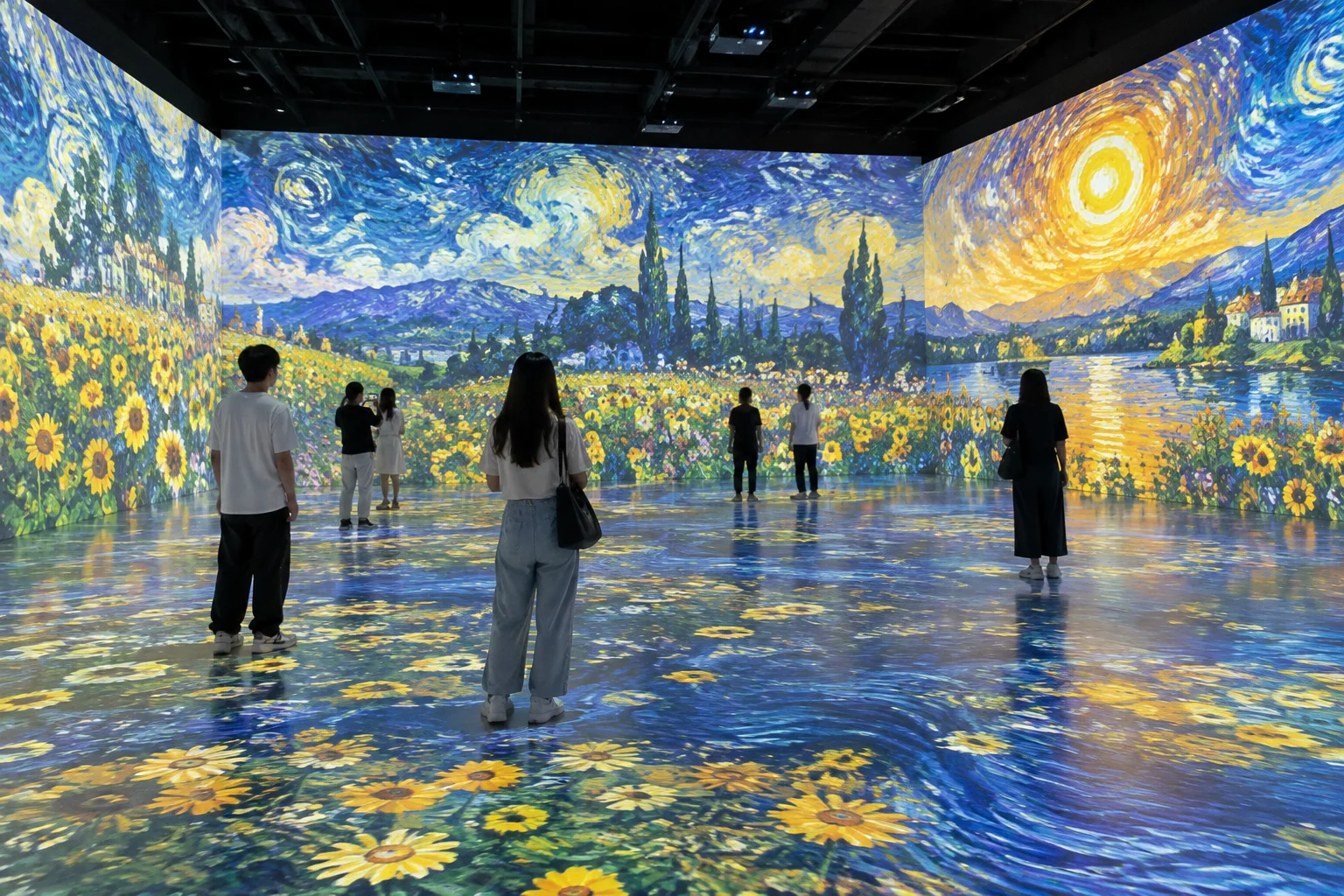
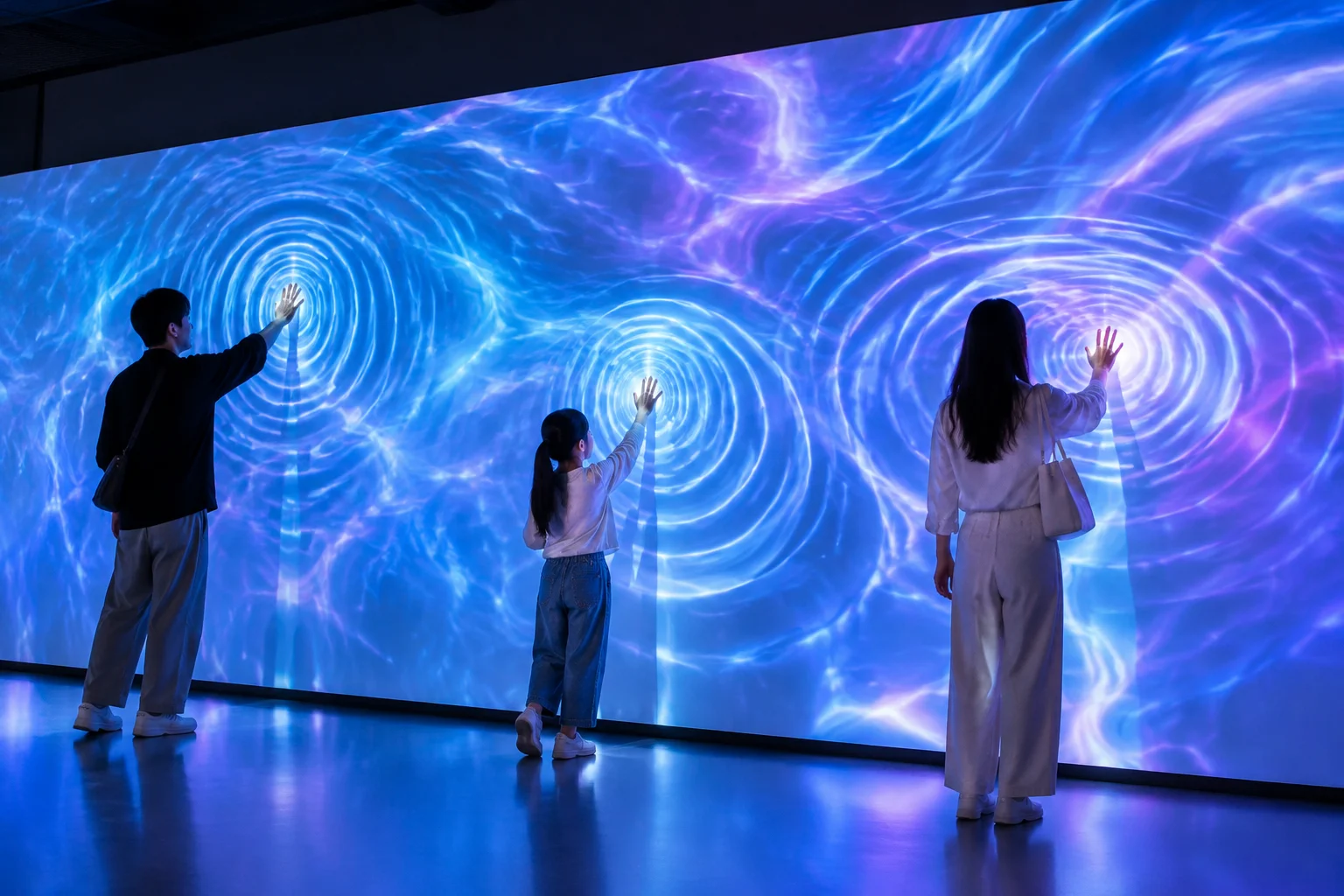
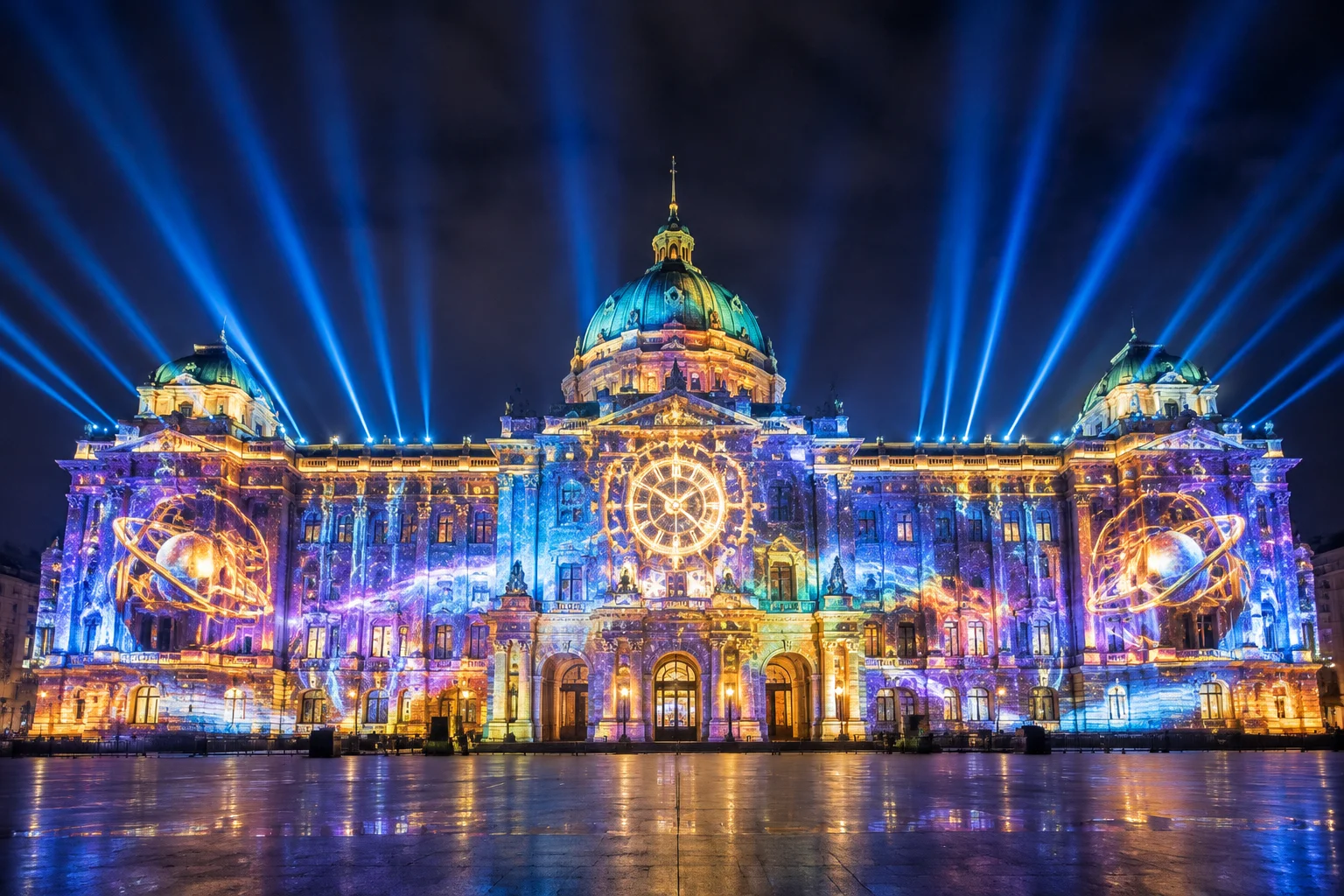
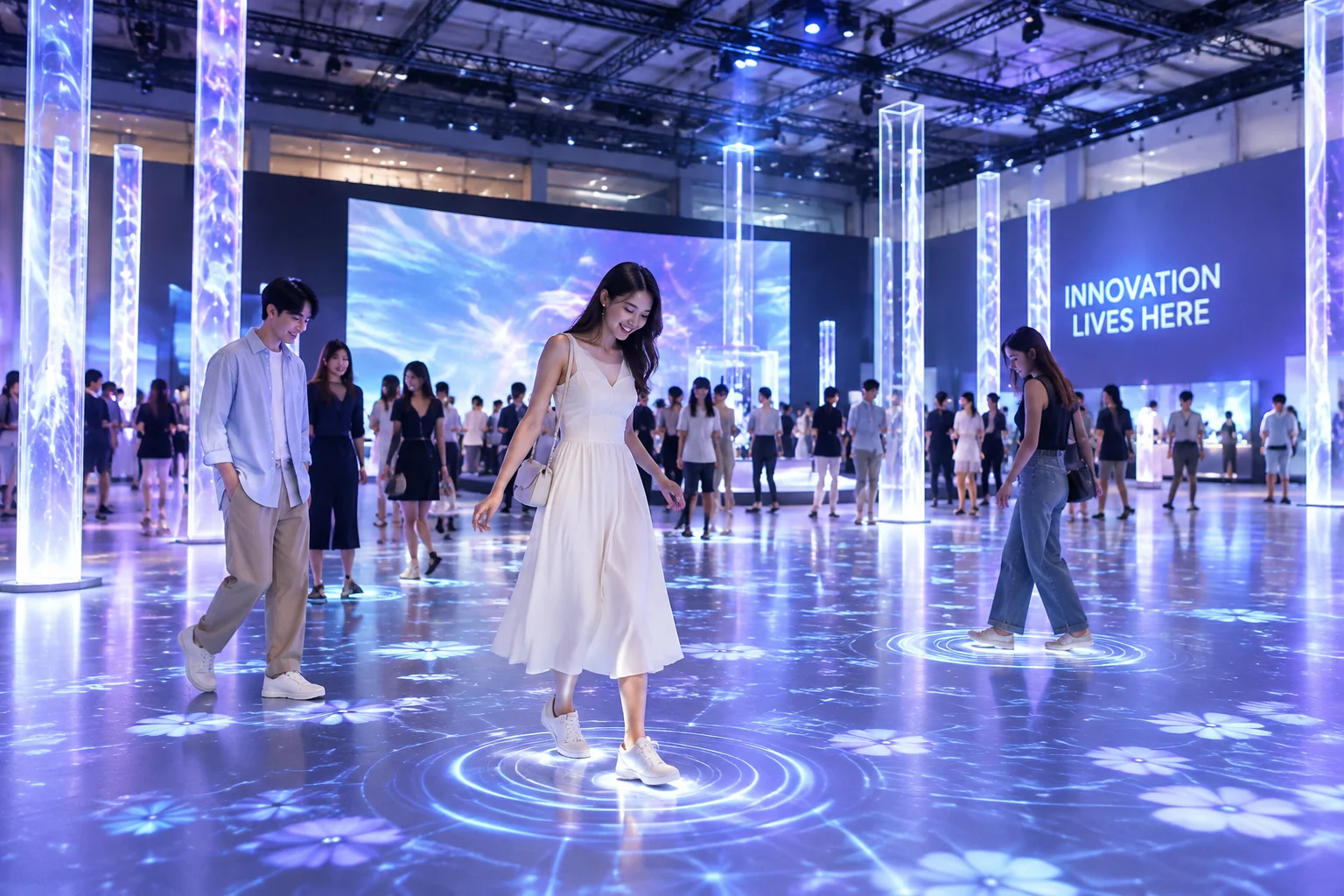
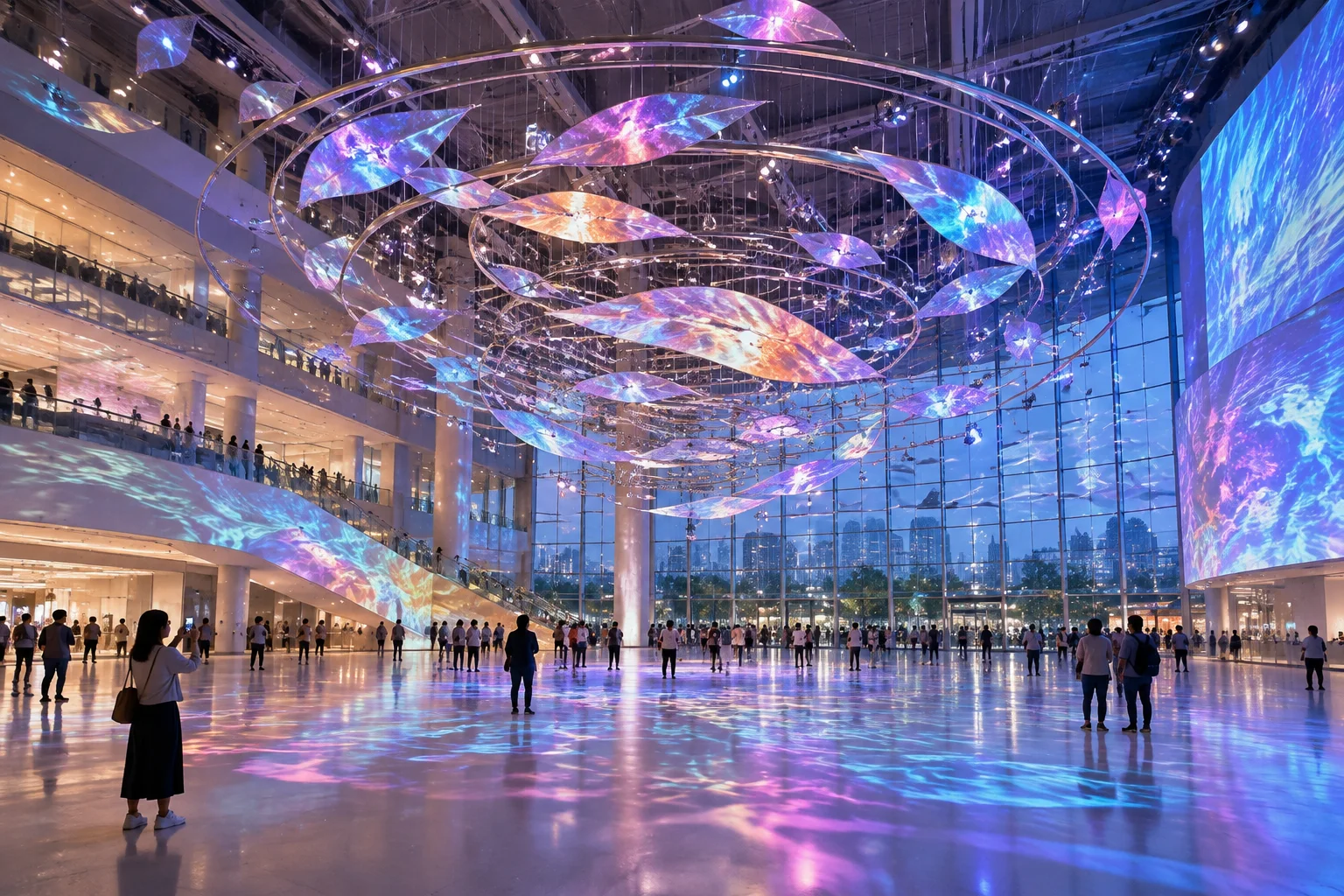
Projection mapping turns ordinary walls, pillars, and sculptures into dynamic canvases of light and motion. Paired with multi-channel spatial sound, it surrounds the audience with an audio landscape that shifts as people move through the room. Touch displays and motion sensors add a layer of direct participation, allowing every guest to shape what happens next on the screens around them.
Hardware Selection and Spatial Integration
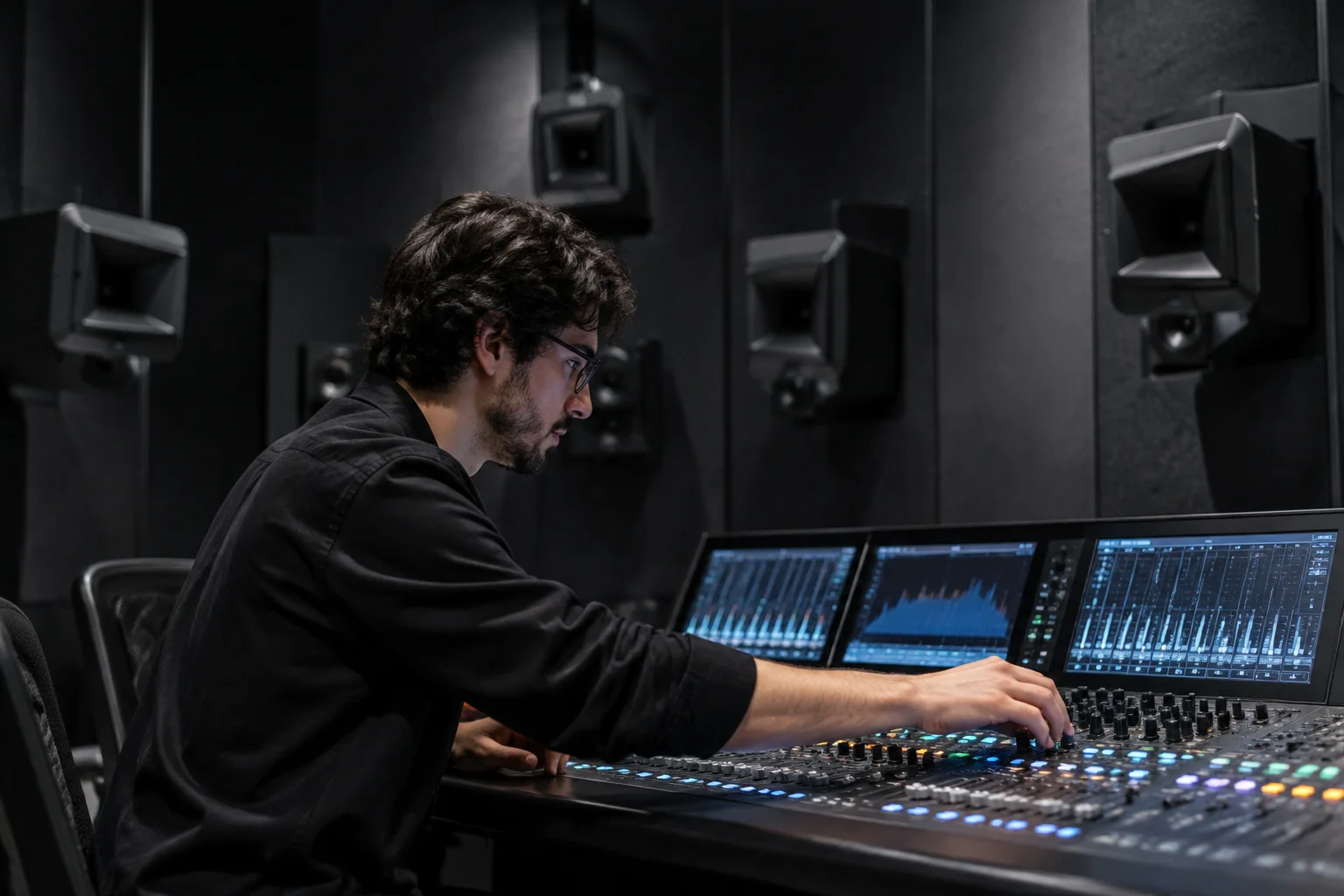
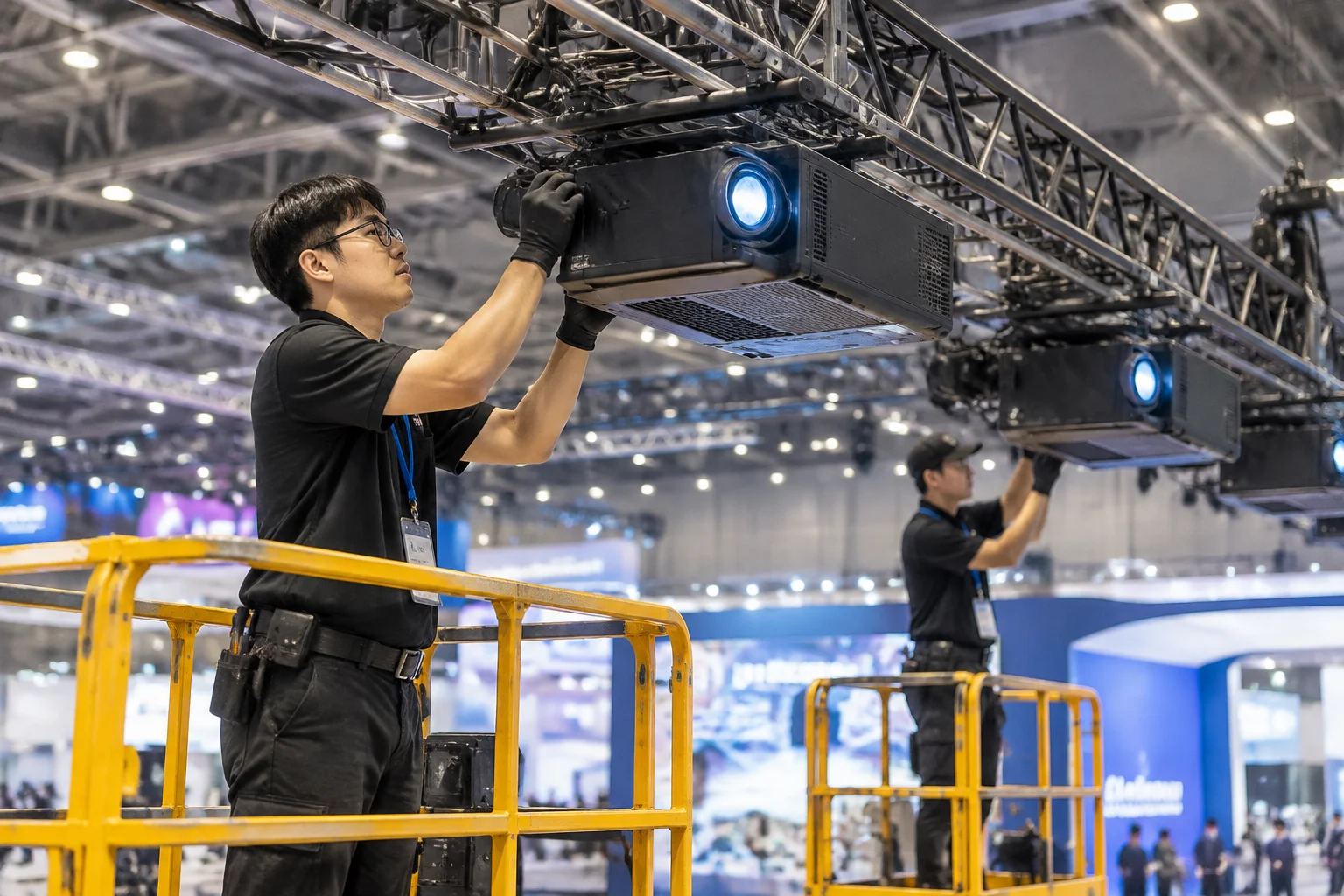
Choosing the right gear is only half the battle; placing it correctly within a room determines whether the installation succeeds or fails. Heavy-duty projectors must be rigged securely out of sight, acoustic dampening panels need strategic placement to control echo, and wiring must be safely routed away from heavy foot traffic.
We carefully evaluate every technical factor before installation begins:
- Ambient light levels and window placement
- Room acoustics and natural reverberation times
- Viewing angles for touch displays and projection surfaces
- Power distribution requirements and cable management paths
- Ventilation and heat dissipation for high-output projectors
- Structural load limits for ceiling-mounted hardware
By ironing out these physical details in advance, the on-site setup runs smoothly and avoids costly delays right before an exhibition opens its doors to the public.
From Concept to On-Site Setup
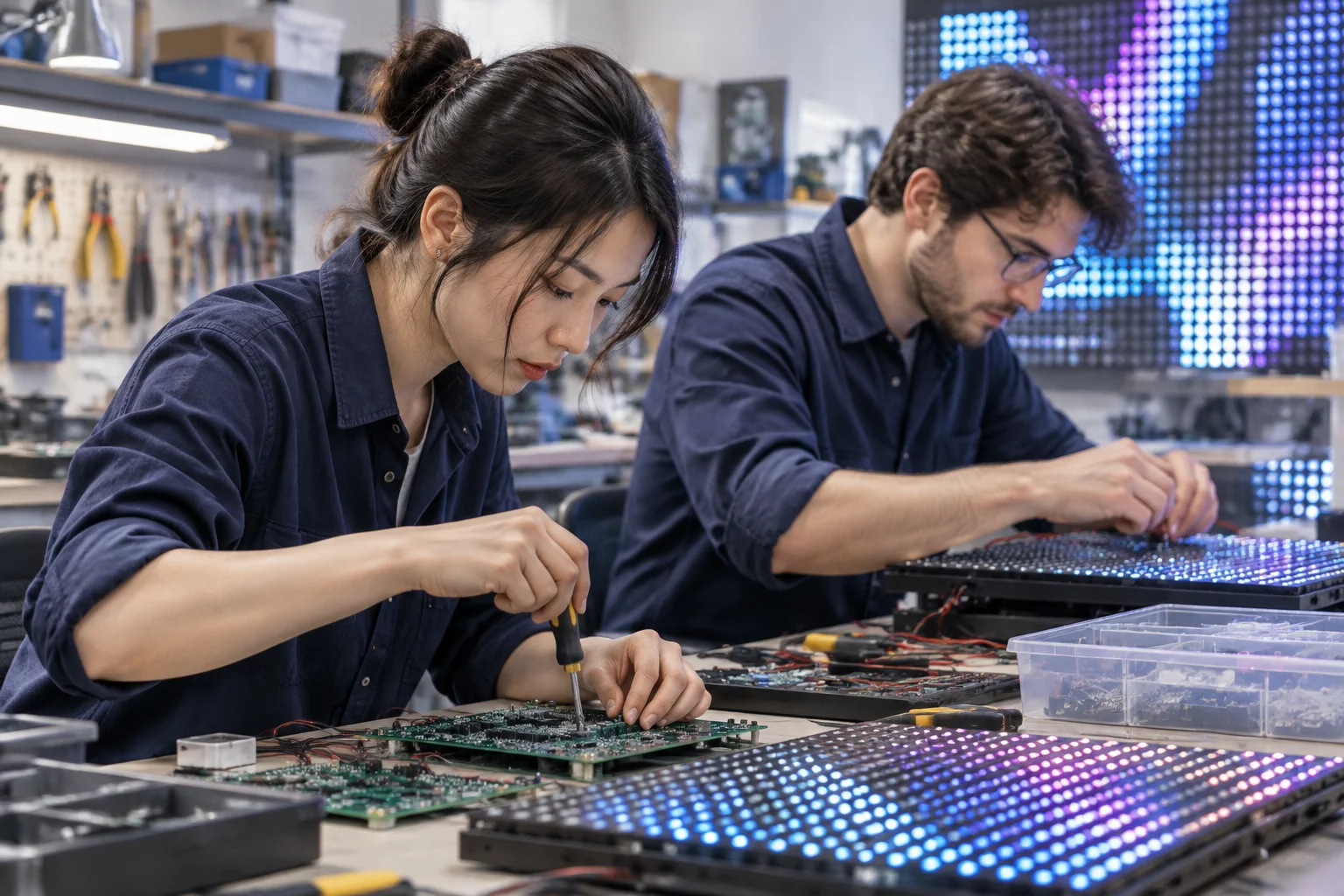
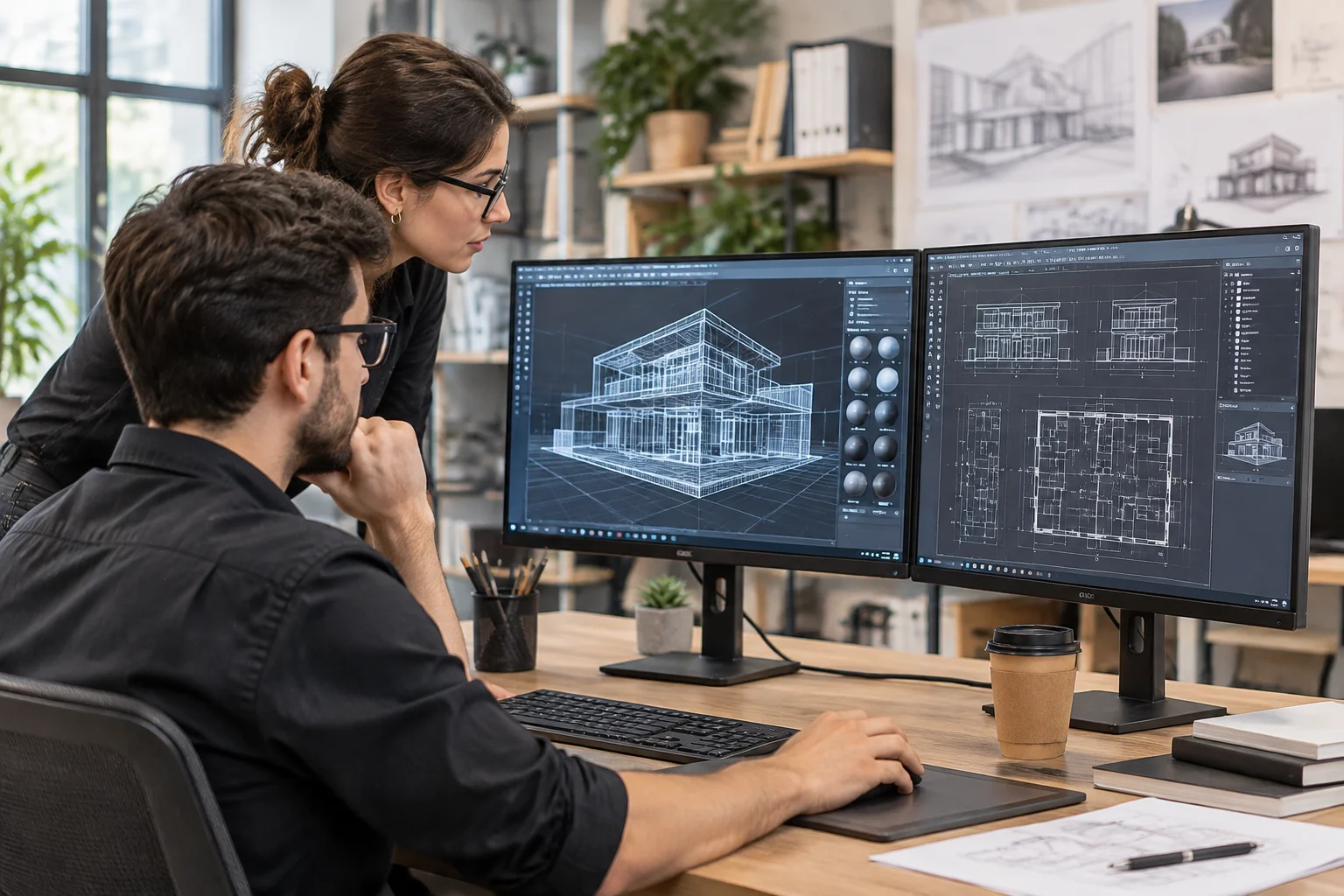
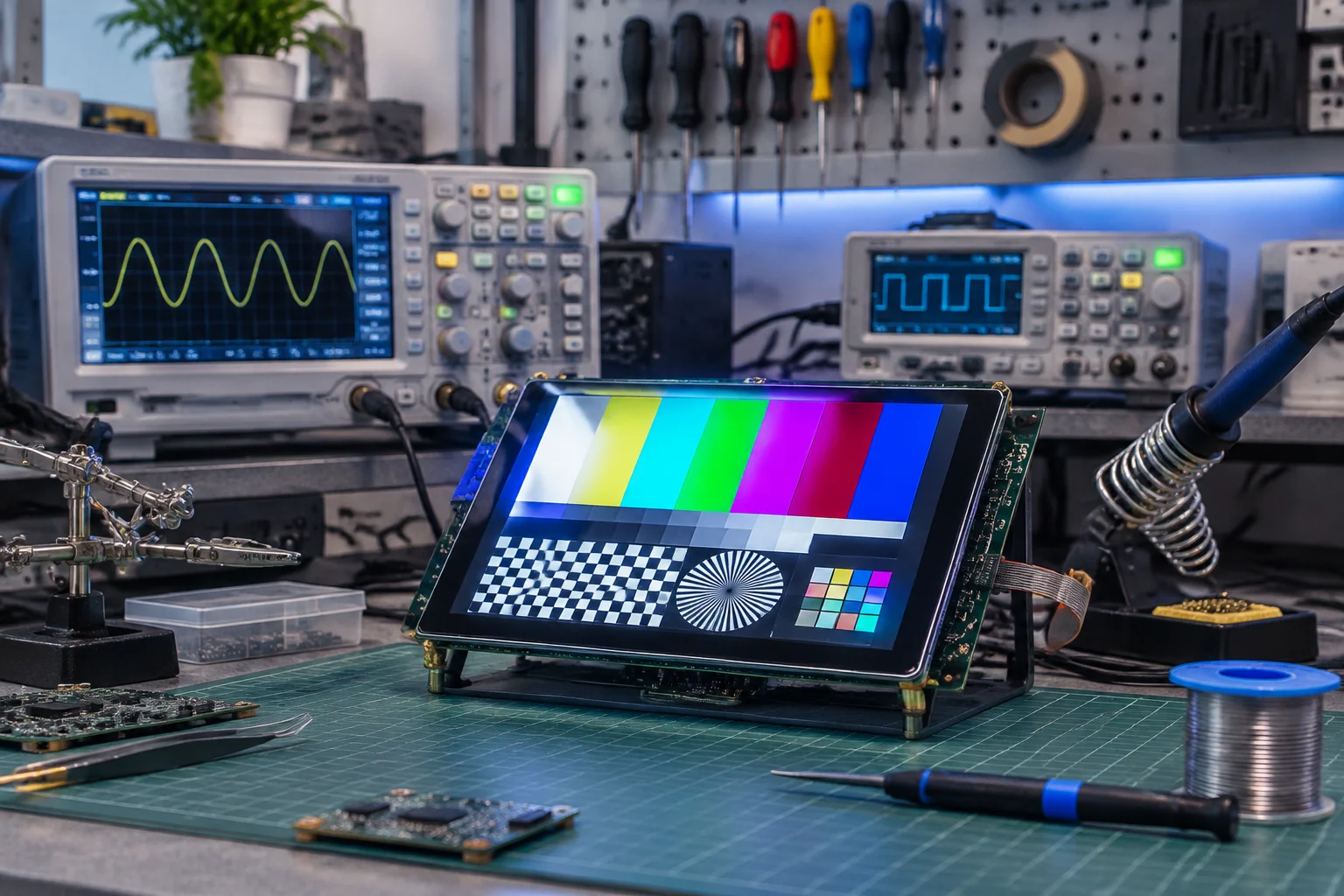
Turning a rough sketch on a whiteboard into a fully functioning multimedia room takes a disciplined, step-by-step workflow. Designers, software developers, and audio engineers must collaborate closely to ensure that the interactive logic matches the physical layout of the venue.
Once the prototype is tested in our workshop, everything is carefully packed, shipped, and reassembled on location. Our technicians spend hours calibrating edge-blending on projectors, syncing media players, and fine-tuning microphone arrays until the entire system operates as a single unified organism.
Ensuring Reliability During Live Events
Exhibition spaces and brand events leave zero room for technical failures. When hundreds of people stream through a venue every hour, the hardware takes a relentless beating from continuous interaction and environmental dust.
Building robust systems means using industrial-grade components, setting up automated fail-safes, and keeping backup media servers on standby. Remote monitoring tools allow our engineers to check system health in real-time, catching potential hiccups long before they affect the visitor experience.
Ultimately, a successful multimedia installation leaves a lasting impression on the audience long after they walk out the exit doors. When the lights dim, the sound swells, and the walls come alive with motion, visitors stop looking at technology and start experiencing the story you set out to tell.





Top Comments
Charlotte Hayes
Oliver Thorne
Marcus Vance